Before generating a musical voice, get the recorded singer’s permission for the intended use, use only voice models you are authorized to use, and check the generator’s current terms for training, output ownership, attribution, and commercial release. Then make a short draft, review the result against that permission and those terms, and keep a record of both.
What To Check Before You Generate A Voice
A singing voice model can reproduce recognizable vocal characteristics. Treat the source recording and the generated performance as separate things to review: permission to use a recording does not, by itself, establish what a platform permits you to do with a trained model or its output. The products listed here do not all publish the same licensing details in the available product information, so check the vendor’s terms for your specific use.
- Permission: Get the singer’s clear agreement to use their recordings for voice training or conversion, and explain the intended song and release context. Do not upload another person’s voice or use a model unless you are authorized to do so.
- Scope: Record whether permission covers training, generating new singing, public release, and commercial use. If the project changes, revisit the permission and the platform terms.
- Platform terms: Check whether the plan permits commercial use, whether a voice or feature has extra restrictions, and whether attribution or approval is required. Do not infer these rights from the fact that a tool can generate or export audio.
- Project records: Keep the permission, the model or source recording used, the plan in effect, and the applicable terms with the session files.
Choose A Singing-Voice Workflow
| Tool | Supported music workflow | Rights detail established here |
|---|---|---|
| LyricToMelody AI | Generate sung vocal drafts from lyrics or MIDI; train a custom singing voice from uploaded or recorded vocals; export audio, MIDI, and separate stems. | Commercial rights are included on paid plans. Check the vendor’s terms for the permitted voice source and intended release. |
| ACE Studio | Generate singing from MIDI and lyrics; clone a custom singing voice; render separate tracks and convert vocals to MIDI. | Paid plan licensing has voice- and feature-specific exceptions. Check the terms for the selected voice and feature. |
| Kits AI | Use voice cloning and vocal conversion within a vocal-production toolkit. | Artist-model outputs may need approval for commercial release. Check the applicable plan and model terms. |
| Applio | Train custom models and convert uploaded audio; workflows depend on voice models. | Commercial-use terms are not established here. Check the vendor’s terms and the model’s permissions. |
| RVC WebUI | Train models and convert audio locally, with pitch controls and batch processing. | Commercial-use terms are not established here. Check the project and model terms, and obtain authorization for the voice source. |
| Audimee | Convert vocals, edit pitch, make harmonies, and use custom voice models. | Commercial-use and voice-source terms are not established here. Check the vendor’s terms for the plan and model. |
These workflows do not establish support for a particular genre, language, vocal range, or cover-song use. Check the product and model documentation before building a session around those requirements.
Use This Permission-First Process
- Define the song use. Write down whether the voice is for a private draft, a public release, or commercial use, and whether you are generating a new vocal or converting a recorded performance. Use that description when requesting permission and when checking the platform terms.
- Secure the voice source. Use your own recording or a recording from a singer who has agreed to this use. For a custom model, confirm that permission covers uploading or recording the vocals for training. Do not treat access to a recording or a downloadable model as proof of consent.
- Pick a tool that matches the input. For lyrics or MIDI to sung drafts, LyricToMelody AI or ACE Studio lists that workflow. For conversion of an existing vocal, Kits AI, Applio, RVC WebUI, and Audimee list voice conversion. Check the vendor’s site for file, genre, language, and project requirements that are not stated here.
- Start with a short, authorized excerpt. Use a small section of the song that is within the singer’s permission. If you are converting a performance, keep the original recording available so you can compare the result. Do not add another person’s vocal reference just to make the output sound closer.
- Generate a clearly labeled draft. For a lyric-led singing draft, enter only lyrics you have permission to use and describe the musical direction in terms your chosen product supports. For conversion, select only an authorized voice model and adjust available controls to fit the performance. Specific prompt fields and musical controls vary, so check the product documentation rather than assuming a tool accepts a particular genre or instruction.
- Review the output before sharing it. Check whether it uses the agreed voice, whether the singer’s permission covers the planned use, and whether the selected plan and model terms allow it. If any of those points is unclear, pause release and ask the singer or vendor for clarification.
- Export and document the session. Export only in formats offered by the chosen tool. Keep the output, source recording details, model identity, permission record, plan, and terms reference together so collaborators can verify what was authorized.
Check Each Product’s Terms Before Release
LyricToMelody AI
Paid plans include commercial rights, while the free Starter plan is listed separately. The product supports custom singing-voice training from uploaded or recorded vocals. Confirm that you have permission for the vocal source and review the current plan terms for your release; do not assume Starter includes the paid-plan commercial rights.
The Tool Desk
Outbyte Driver Updater FREEScan for outdated or missing drivers - takes under a minuteDriver Scan →Outbyte PC Repair FREERepair Windows errors before they cause bigger problemsFix Now →Shopping ad
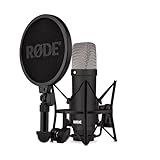
- COMPLETE VOCAL SETUP: shock mount, pop filter and XLR cable included, add an interface and record
- THE SOUND OF HIT RECORDS: the legendary NT1 large-diaphragm condenser voicing trusted in studios for two decades
- WHISPER-QUIET: among the lowest self-noise microphones ever made, nothing between you and the take
- BUILT FOR VOCALS AND STREAMS: tight cardioid pattern focuses on the voice, rejects the room
- IN THE BOX: NT1 Signature (Black), SM6 shock mount with pop filter, XLR cable and dust cover
ACE Studio
ACE Studio supports custom singing-voice cloning, but its paid plan licensing has voice- and feature-specific exceptions. Identify the exact voice and feature you plan to use and check the current terms for that combination before release.
Kits AI
Kits AI notes that Artist-model outputs may need approval for commercial release. Check the selected model’s approval requirements and the applicable plan terms before publishing.
Shopping ad

- [USB Output] Enables simple setup. USB studio recording microphone kit provides a direct convenient plug-and-play connection to pc and laptop without any additional hardware or drivers for recording vocals, podcasts and Skype. Studio microphone for recording vocals is never been easier to get high-quality sound for your voice and computer-based audio recordings. (Incompatible with Xbox)
- [Excellent Sound Quality] With rugged construction for durable performance, the vocal recording microphone, USB condenser mic for PC,offers a wide frequency response and handles high SPLs with ease. Ideal for project/home-studio applications. The cardioid condenser capsule captures crystal-clear audio from the front and avoid ambient noise when communicating/creating/recording. Comes ready to go with a desktop mic boom arm stand and 8.2ft USB cable, you're guaranteed to get great-sounding results.
- [Durable Arm Set] The podcast microphone bundle with versatile and sturdy broadcast suspension boom scissor arm with 180° up and down rotation, 135° forward and backward extension for optimal adjustment, for capturing your voice in podcast or voiceover. The double pop filter attached on the music recording microphone provides two layers of dissipation, removes the rush of air, minimize the popping sounds or cancel noise that can compromise your recording, great for studio as well as home use.
- [Easy to Attach] The streaming microphone for PC includes adjustable boom studio scissor arm stand that features a heavy-duty combo mount consisting of a sturdy C-clamp and a detachable desktop mount. With 13" fixed horizontal arm and offers a 30" reach, the low-profile, table-hugging design of audio recording microphone allows on-air talent to perform without facial obstruction to record in podcasting or make dubbing sounds for videos, use voice chat in Discord or online conference on Zoom or Skype.
- [The Accessory Package Includes] The studio microphone music recording comes with practical accessories for you to use in most of recording. The scissor arm stand is made out of all steel construction, sturdy and durable, a studio-grade shock mount, a double pop filter, premium 8.2' USB-B to USB-A/C cable, a podcast PC gaming microphone, a user manual and friendly Technical Support.
Applio And RVC WebUI
Both list custom model workflows, but commercial-use permissions are not established here. Check the terms for the software and the specific model, and make sure the voice source is authorized for training and conversion.
Audimee
Audimee lists custom voice models and vocal conversion; the available product details do not establish commercial-use permissions. Check the current terms for the model and plan before using generated vocals in a release.
What’s actually slowing this PC down?
Pick the symptom - the matching free tool is one click away.
Shopping ad
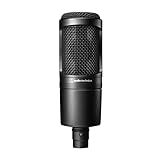
- The price/performance standard in side address studio condenser microphone technology
- Ideal for project/home studio applications
- High SPL handling and wide dynamic range provide unmatched versatility
- Custom engineered low mass diaphragm provides extended frequency response and superior transient response
- Cardioid polar pattern reduces pickup of sounds from the sides and rear, improving isolation of desired sound source.
When The Rights Are Unclear
Keep the audio as an unreleased draft until the singer’s permission and the applicable product and model terms cover the intended use. If the vendor’s terms do not answer whether a particular voice, plan, or release is permitted, ask the vendor; do not treat a feature description or export button as a license.
Quick Recap
Shopping ad

- 【Ready to use Recording Studio Microphone】This studio condenser microphone features a USB output, providing a direct and convenient plug-and-play connection to your PC, smartphone, or laptop. Perfect for podcasting, vocal recording and music production, the DJM5 condenser microphone delivers high-quality sound without the need for additional hardware.
- 【Exceptional Sound Quality 】This condenser microphone uses cardioid polar pattern, 16mm diaphragm, 192kHz/24Bit sampling rate and 30Hz‑16kHz frequency response. It delivers clean sound for podcasting, vocal recording and streaming.
- 【Multifunctional Condenser Mic】This versatile condenser microphone supports 5V voltage and includes features like echo control, volume adjustment (+/-), a 3.5mm monitor headphone jack, and a mute button. Ideal for podcasting, home studio setups, and live broadcasting, the DJM5 is an all-in-one solution for high-quality audio
- 【Foldable Isolation Shield】The microphone isolation shield is made of 5 high-density sound-absorbing panels with a triple acoustic design. Each panel is foldable and adjustable, ensuring optimal noise reduction for podcasting, recording vocals, and music production. The compact design of the DJM5 makes it easy to carry and set up anywhere. This product comes with isolation shields in black, rose gold, and white, allowing you to choose the color that best matches your style
- 【Compact and Lightweight Design】 The DJM5 kit includes a soundproof shield measuring 27.55in x 10.23in, a microphone measuring 6.3in x 1.96in, a tripod stand measuring 8.66in x 7.1in, and a 6in diameter shockproof filter. The entire kit weighs only 4.1lbs (1.86kg), making it easy to carry and set up
Shopping ad

- Groundbreaking studio condenser microphone that fuses the classic sound signature of the iconic NT1 with patented next-generation technology
- Connect to an audio interface or mixer via XLR, or plug directly into a computer via USB to record studio-grade sound in any setup – an all-in-one digital recording solution for the home or the studio
- Offers the classic warm, silky character, extremely low self-noise and high SPL handling capability that the original is revered for, perfect for a huge range of applications, from voiceovers and guitars to drums and piano
- Features RØDE’s ultra-low-noise, high-gain Revolution Preamp and high-resolution (up to 192kHz) analog-to-digital conversion for crystal-clear digital recordings
- Body machined from high-grade aluminium with nickel plating and military-grade ceramic coating, ensuring its ready to take on the rigours of recording day in, day out
Product prices and availability are accurate as of the date/time indicated and are subject to change. Any price and availability information displayed on Amazon at the time of purchase will apply.